





Dreading taking a spoken exam? Give yourself the best chance of success with these simple dos and don’ts.
While at universities in most countries, it’s usual to be assessed mainly on written exams and coursework, in countries such as Italy the majority of course modules also include a spoken exam.
This takes the form of a discussion between the student and examiner, lasting anywhere between 15 minutes and an hour, depending on the topic being assessed.
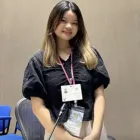
Gracy Rigano, a fourth year student at the University of Pisa, says that while spoken exams never stop being scary, they certainly shouldn’t deter anyone from studying in Italy.
Here are Gracy’s top tips for surviving a spoken exam – many of which could also apply to written assessments:
DO ensure you that you have revised the topic thoroughly, covering everything at least once. This will help you feel confident and ensure you’re able to sustain the discussion.
DON’T spend all night before the exam worrying about every little thing. Being anxious that you won’t remember everything is natural, but it’s very important to get a good sleep, so try to spend the evening doing something relaxing.
DO have a good breakfast on the morning of the exam. You don’t want hunger to distract you or undermine your concentration! I’d also personally advise steering clear of coffee – it’s unlikely to calm you down if you’re feeling nervous.
DO think about what you wear. This is not an interview, but there are similarities. You want to make a good impression, feel confident and also be comfortable.
DON’T be afraid to take a moment to think before responding to a question. It's better to think before you speak, rather than just saying the first thing that comes to mind.
DO stay calm and concentrated. Usually once you’re seated, everything will seem natural and it’ll all be over before you know it.
Good luck!







Get closer to your dream programme
Your consent preferences have been set.
Time to start exploring.
Your account has been removed.
You can still browse the site or sign up again once you have parental consent.
Get closer to your dream programme